Sixteen years of Le Space
From Leipzig’s first coworking space to a stack that runs without servers.
The images are illustrations, not photographs — no usable pictures exist for the early years.
-

Coworking had barely arrived in Germany — a handful of spaces in the whole country.
A room in Leipzig
Le Space opened Leipzig’s first coworking space: 112 square metres in the Tapetenwerk, room for ten to fifteen people, a shared breakfast on Friday mornings before work started.
The space lasted a year, until May 2011. The community that formed there still exists.
Software followed almost immediately — an application to run the space, written the same year.
-

Desktop clients were moving into the browser across the enterprise world.
Two years in finance
After the space closed, two years for Fondskonzept / Maklerservicecenter in Munich: porting a Java client application for brokers to a Google Web Toolkit version — a regulated industry, a large existing application, and a deadline that belonged to someone else.
The WebRTC work started after that.
-
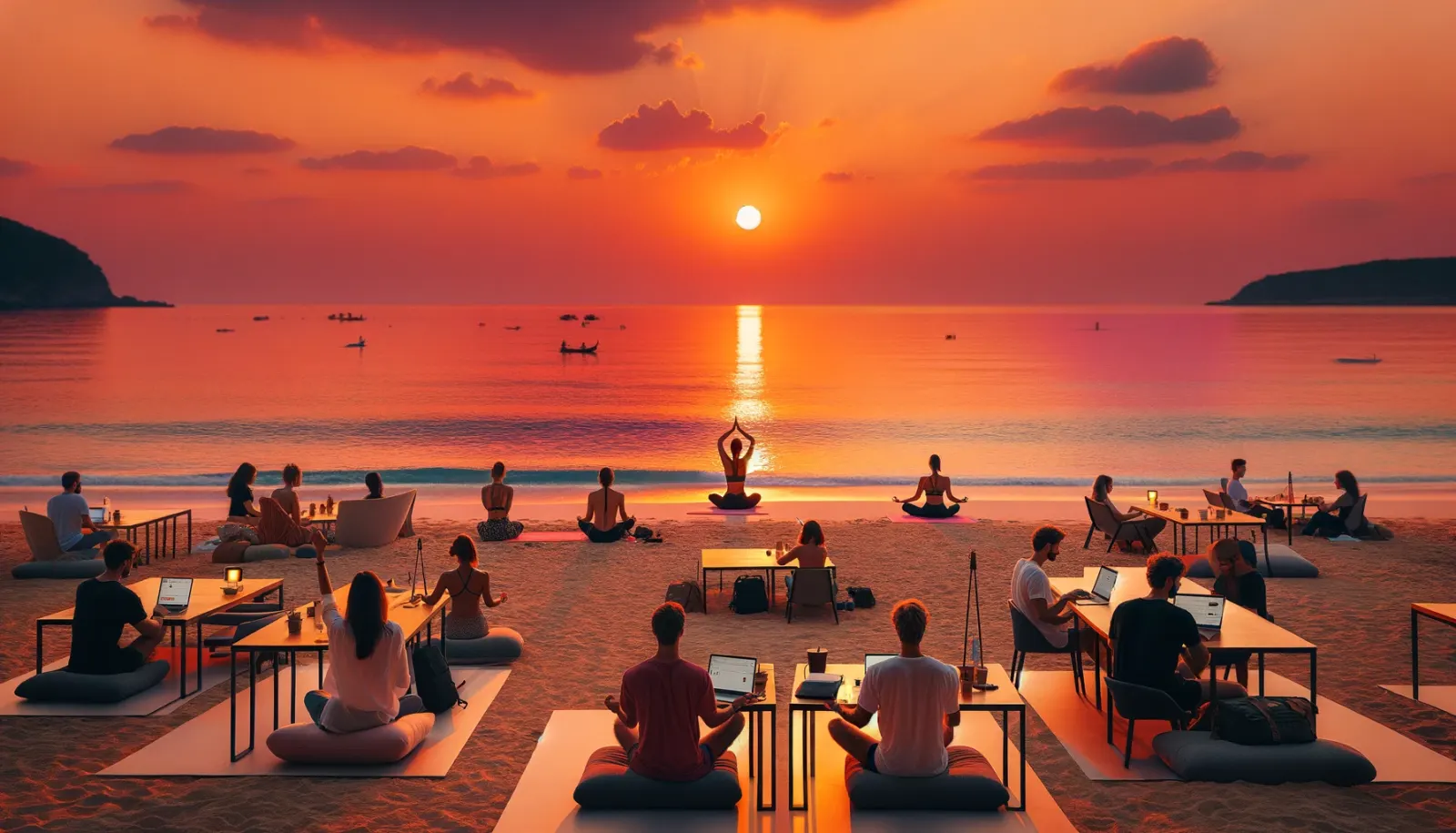
Video in the browser was new, and every provider wanted you on their platform to use it.
Remote.Yoga
A startup for yoga studios and their students, from 2012 — and the first attempt at something that turns up again much later: making WebRTC video and audio usable for a yoga class, one teacher to many students.
Parts of it were built in Goa in 2013 and 2014.
-
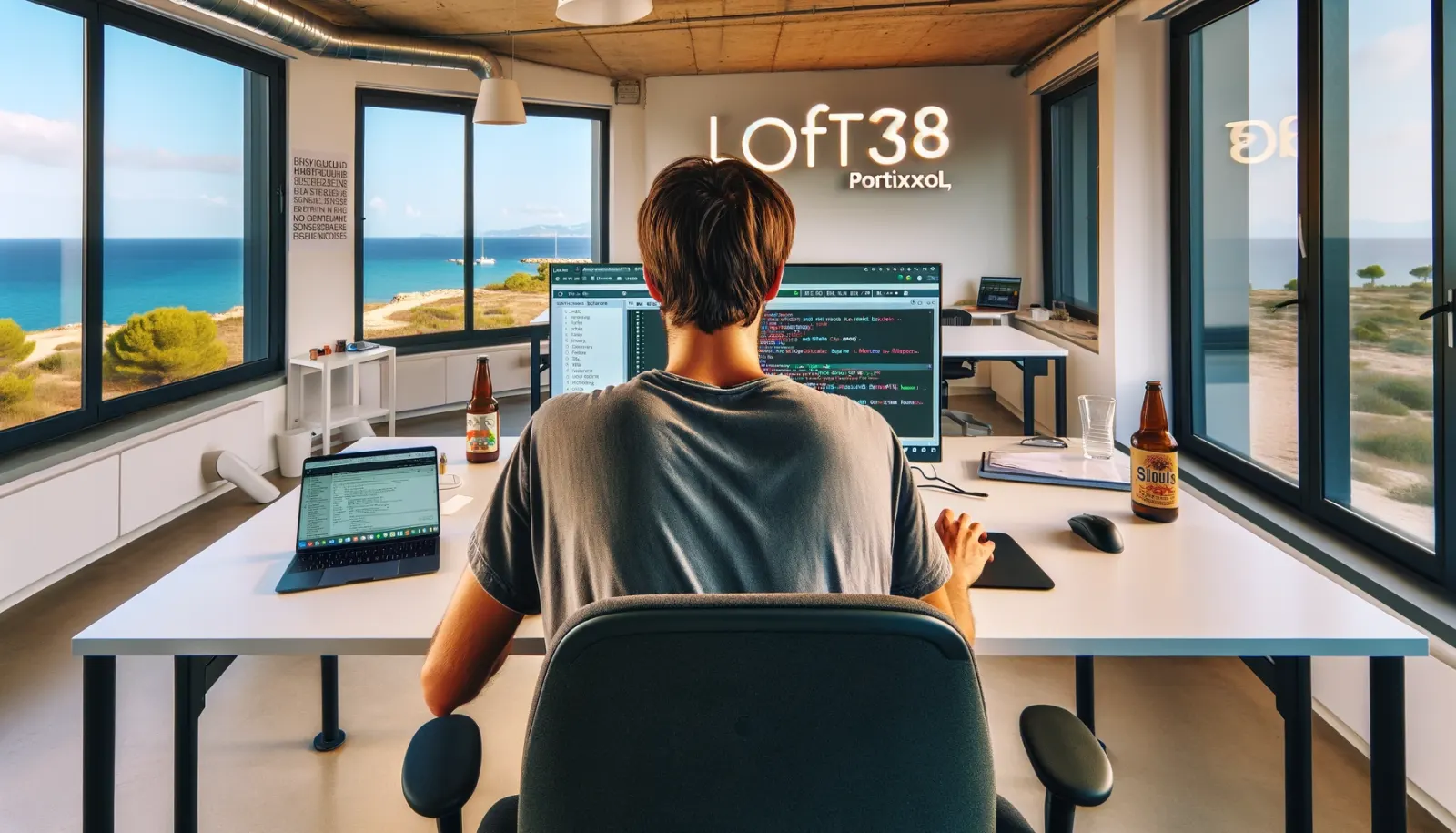
WebRTC had reached the major browsers, but was years away from being a standard.
Working together without a room
If a coworking space is about people working alongside each other, does it need the room? Le Space built virtual coworking over WebRTC, and video calling as native apps for iOS and Android.
The technology was already peer-to-peer. But it needed signalling and media servers to get two browsers connected at all. The dependency stayed.
-
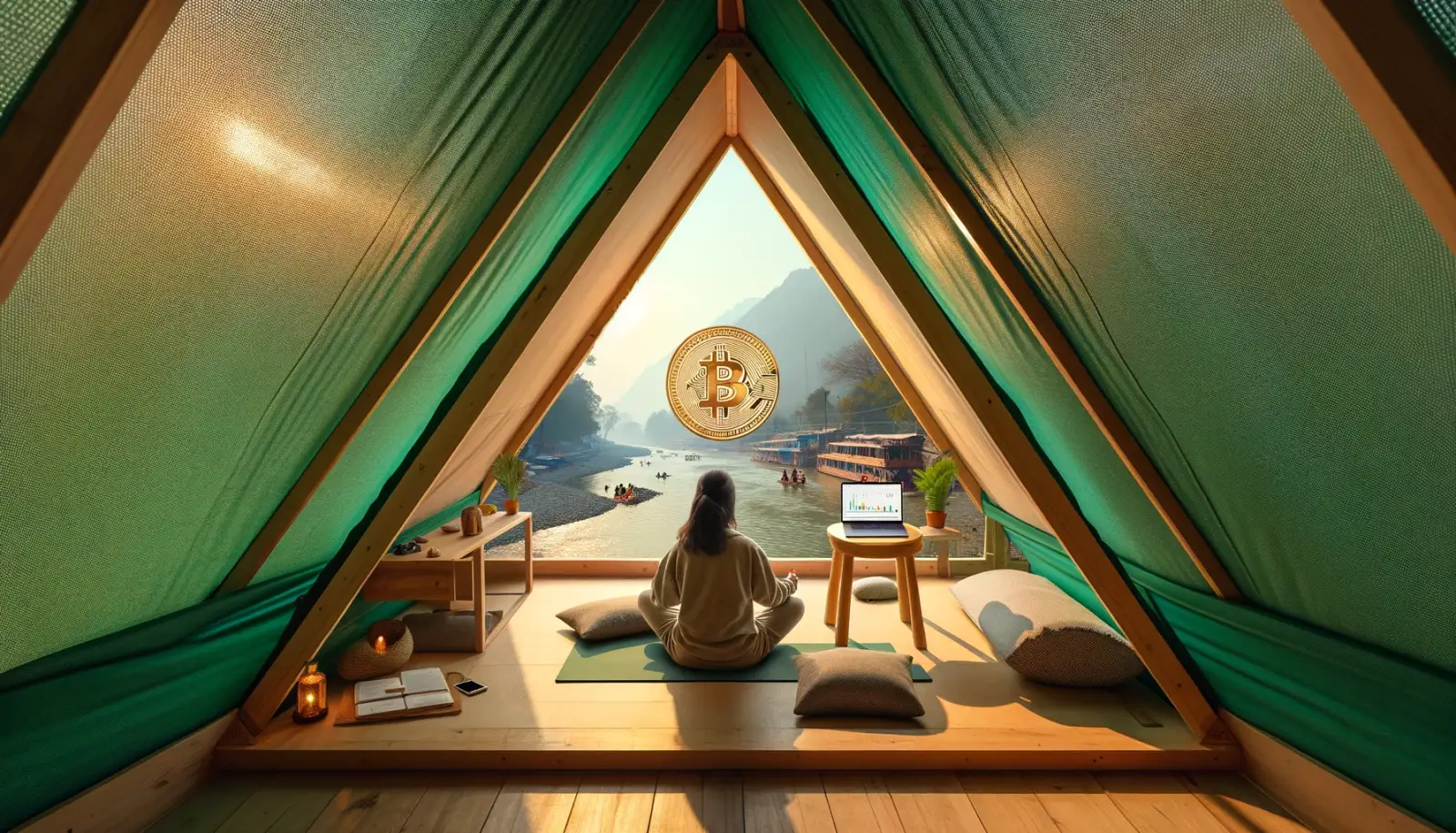
The ICO boom: nearly every project financed itself by selling tokens.
Proof without a middleman
Doichain, a fork of Namecoin: unforgeable records of email double opt-in, written to a blockchain instead of held by a service provider. Prototype in 2018, a non-profit to carry it, workshops with the eco association.
The project was deliberately sunset in 2023.
-

FTX and Terra-Luna collapse. Trust goes with them — among developers, founders and investors alike.
The break
Le Space asked the question again, with two conditions attached: peer-to-peer without a blockchain, and without selling tokens to pay for it.
The answer turned up the same year — OrbitDB, libp2p and IPFS. Since then there has been a continuous run of local-first peer-to-peer web apps: task lists, a blog, an address book, class booking for yoga studios.
- 2025
Passkeys begin replacing passwords for everyone, not just early adopters.
First place, from libp2p itself
Le Space won the Universal Connectivity Hackathon run by the libp2p project, in December 2025.
The entry has two halves. One made a peer-to-peer spreadsheet speak Universal Connectivity, so it could talk to the UC chat. The other taught the chat itself to discover and install what another peer offers.
Between them sits the Universal Connectivity Extension Protocol: applications announce their capabilities as extensions and find each other’s over libp2p, with no central registry. An app stops being a silo and becomes something other apps can use.
- 2026
Local-first turns from a niche term into a movement.
The stack
Identity from passkeys instead of passwords. Relays anyone can start in minutes. Two devices connecting over a QR code with no relay at all. A talk at FOSDEM. And Yogasūcī, in use.
That last piece closes a circle. The problem the WebRTC work ran into — you cannot reach each other without someone else’s servers — is the one that is now solved. And the yoga of 2012 runs as an application that replicates between devices, without a server and without an account.
Sixteen years, the same question three times over: who owns the thing we work with — the room, the record, the data? Only the answers got better.